Last Tuesday, my daughter called from the driveway before I finished my first cup of coffee. The check engine light in her 2008 Honda Accord had come on during the drive to work, and she turned around and came home, already picturing a repair bill. I've been turning wrenches for over thirty years, and I've seen that look before. It's the look of someone who has priced the worst-case fix in their head before anyone has read a single code.
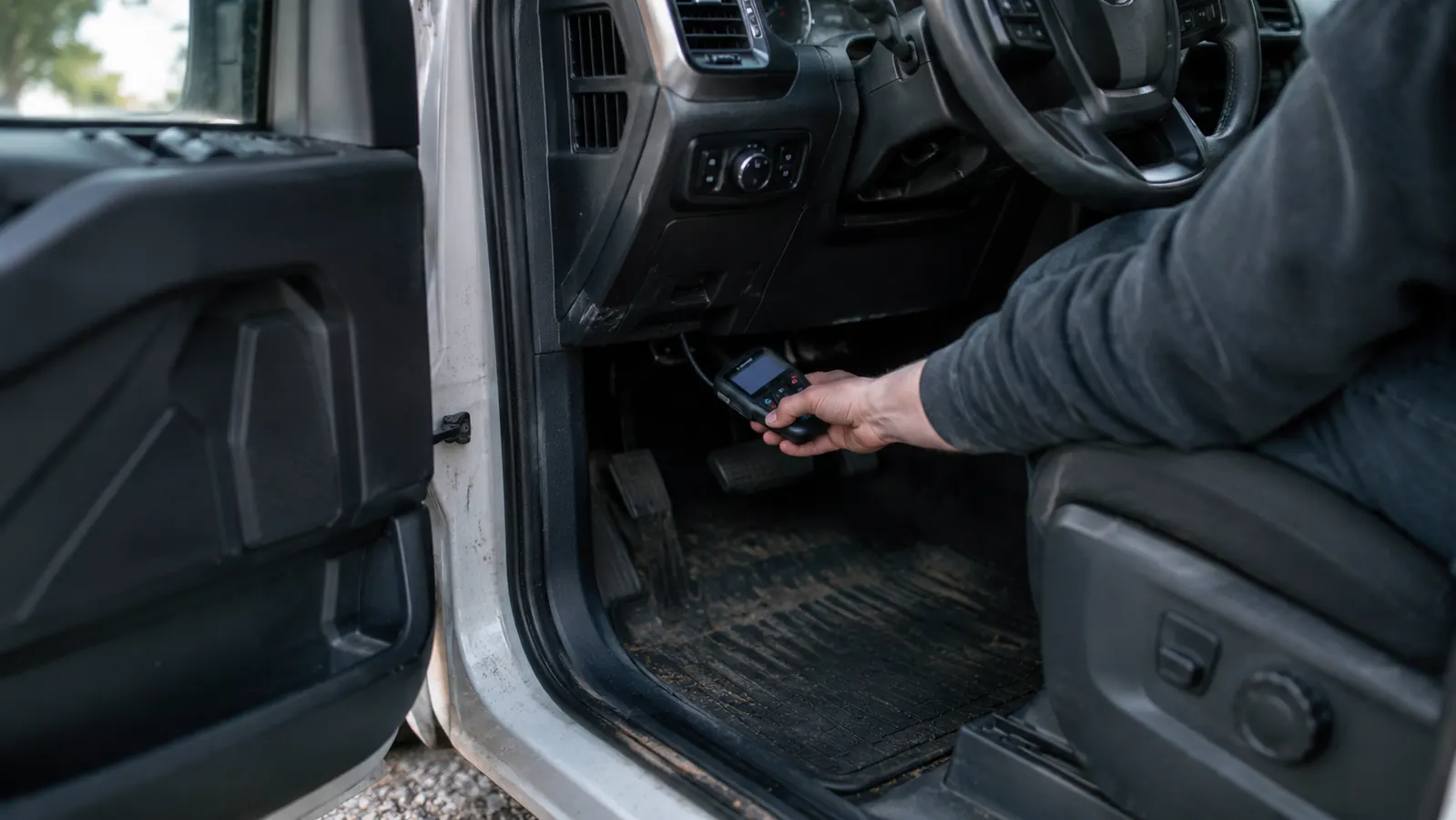
I grabbed the ANCEL AD310 out of the top drawer of my tool chest. It's the scanner I keep for exactly this kind of morning. It's 8.9 by 6.9 by 1.4 inches and weighs 12 ounces, so it lives in the drawer without taking over. It runs off the car's own power, which means no batteries to chase and no charger to lose. I plugged it into the OBD port under the dash, the 2.4-inch screen lit up, and a few seconds later it handed me the answer.
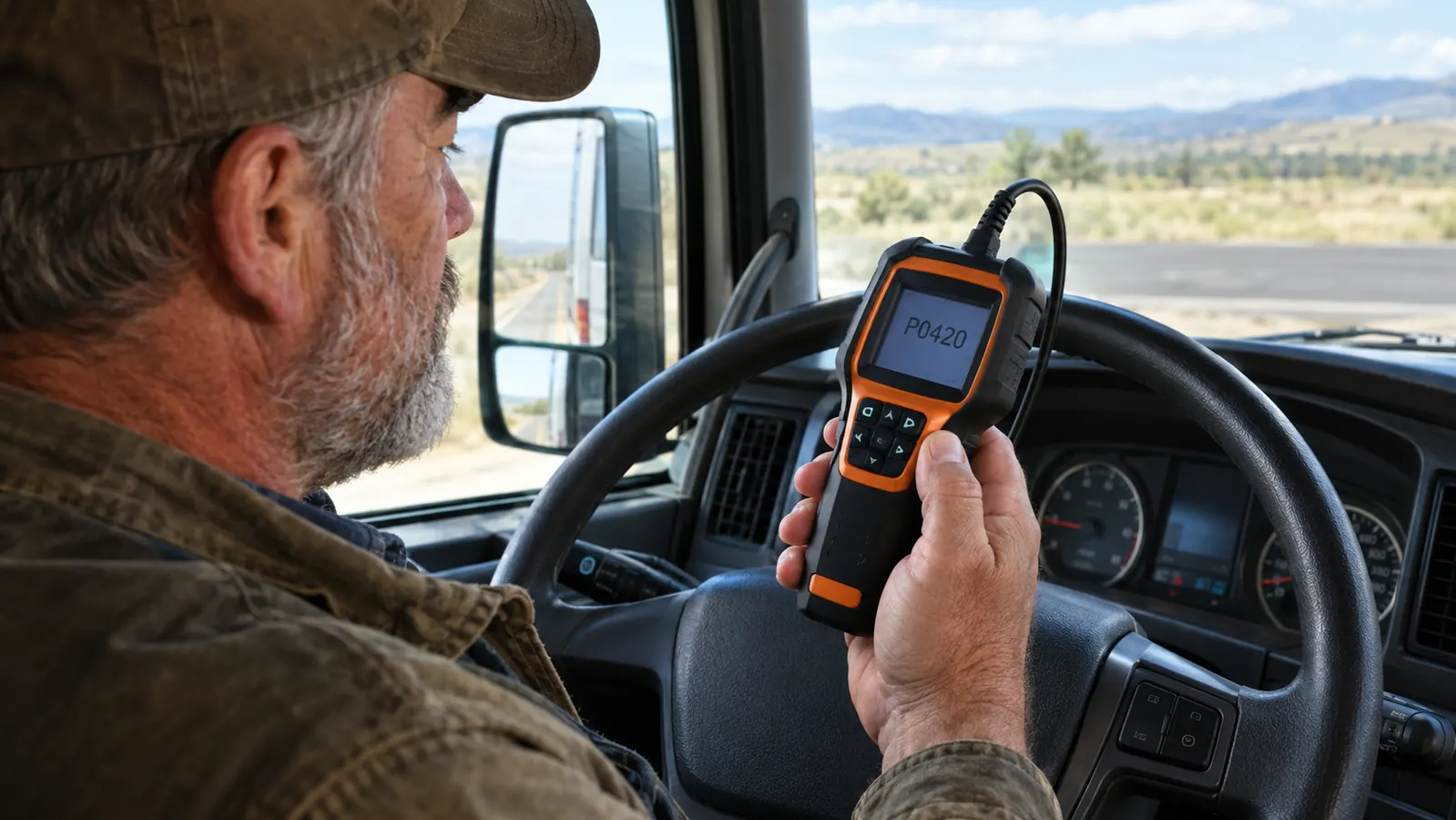
The code was P0456, which is an evaporative emissions leak. In plain English, the system that catches fuel vapors had a small leak, and the most common cause on a car that old is a gas cap that didn't get tightened all the way. She had filled up the night before. That was the whole problem. I walked out to the car, took the cap off, put it back on until it clicked three times, and cleared the code.
That's the whole story, and it's a boring one, which is exactly the point. Nothing was wrong with the car. No failed part, no dead computer, no expensive repair. Just a plastic cap that needed a quarter turn. The only reason it didn't turn into a shop visit is that I could read the code before I picked up the phone. My daughter would have paid for a diagnosis, a tow, and a rental car over a gas cap. She didn't, because a small scanner sat in my drawer and I knew how to use it.
Ten minutes after she called, the light was off and she was on her way to work.
Read the code before you pay for a diagnosis
A check engine light is not a repair estimate. It's a question, and the ANCEL AD310 answers it in seconds. It reads fault codes on 1996 and newer US cars, light trucks, and SUVs, and it's the tool I reach for before I call anyone.
Amazon Check Today's Price on Amazon →I've had the ANCEL for a while now, and this is the third time it has paid for itself. The first was my own truck, a 2014 F-150 with 190,000 miles on it, when a code pointed me to a bad coil pack instead of a whole new transmission. The second was a friend's SUV that turned out to have a loose fuel filler neck. In every case, the scanner did the same thing: it told me whether the problem was small or serious before I spent a dime.
The honest limit is this: a code reader tells you what's wrong, not how to fix it. It won't rebuild a transmission, and it won't tell you which shop to trust. But it will stop you from paying for a diagnosis that is often a ten-minute fix. It's the difference between guessing and knowing, and around here that's the difference between a good morning and a bad one.

The AD310 is about as simple as these things get. The buttons are clearly labelled, the screen is 2.4 inches and easy to read, and it's a universal fit, which means it covers my 1996 and newer vehicles without any adapters. It's also the scanner Scotty Kilmer recommends, which is how a lot of people find it. I found it the old-fashioned way: a buddy handed it to me in a parking lot, and it's been in my drawer ever since.
The part I like best is that it doesn't need anything from me. No app to install, no account to set up, no charger to keep track of. It runs off the car's own power, so it's ready whenever the light comes on. And the light always comes on eventually. It's not a matter of if. It's a matter of when.
I'll be straight with you about the limits. The AD310 won't tell you why a part failed, and it won't fix anything on its own. It reads codes and it gives you a place to start. On a car from the nineties or a truck with 190,000 miles, that's worth more than the plastic it's made of. A shop will charge you for the same information, and you'll wait an hour for it.
What I'd Tell You If We Were Sitting at My Kitchen Table
Here's the advice I'd give you over coffee. Buy a basic code reader before you need one, not after. You don't need a fancy one. You need one that reads the code, shows it on a screen you can read, and doesn't need a charger. That's the whole job. The check engine light is not an emergency, it's a message, and the message is written in a code you can read in about ten seconds with the right tool. When the light comes on, don't panic and don't call a shop yet. Read the code first. If it's a loose gas cap or a bad sensor, you just saved yourself a tow and a bill. If it's something real, you walk into the shop knowing what the problem is, which means you're harder to overcharge. Either way, you're better off.
Keep one in the truck before the light comes on
The ANCEL AD310 is the scanner I reach for first. It reads fault codes on 1996 and newer US cars, light trucks, and SUVs, it's small enough to keep in the glovebox, and it runs off the car's own power. When the light comes on, you'll be glad it's there.
Amazon Check Today's Price on Amazon →